

Hot peel, warm peel and cold peel: what the difference means on the production floor
Peel type is the single most commonly ignored instruction in heat transfer work, and getting it wrong ruins the garment rather than just the print.
Of all the instructions that come with a heat transfer material, peel type is the one most often skipped — and the one most likely to destroy a finished garment. It is worth understanding properly.
What peel type actually describes
A heat transfer arrives on a carrier — a clear or coloured backing sheet that holds the design in position while it is pressed. Peel type tells you when to remove that carrier after the press opens:
• Hot peel — remove immediately, while the transfer is still hot.
• Warm peel — wait a few seconds, until it is warm rather than hot.
• Cold peel — wait until the transfer has cooled completely.
This is not a preference or a convenience. It is determined by the adhesive system in the material, and by how that adhesive behaves as it cools.
What goes wrong when it is ignored
Peeling a cold-peel material while it is hot is the classic failure. The adhesive has not yet set, so the design lifts with the carrier — sometimes wholly, sometimes in patches that tear across the artwork. The garment underneath now has adhesive residue on it and is usually scrap.
The reverse error is less dramatic but still costly. Leaving a hot-peel material to cool can make the carrier difficult to remove, and pulling it then may take surface texture with it or leave a visible gloss mark where the carrier bonded.
Neither failure shows up in a test press that is peeled correctly by an experienced operator and then forgotten about. It shows up in production, on volume, with a deadline.
You cannot infer it from the material type
This is the important part. Two materials that look and feel similar can have opposite peel instructions, because the adhesive chemistry differs between manufacturers.
To take published examples: Siser specifies a warm peel for its StripFlock product, while other manufacturers publish cold peel for silicone-based transfer labels and hot peel for some PU films. The figures and the peel method are set by whoever made the material — not by the category it belongs to.
The practical consequence: read the data sheet for the specific material in front of you. Do not assume that because the last roll of vinyl was hot peel, this one is.
Building it into your process
• Record the peel type on the job sheet alongside temperature, time and pressure.
• Where operators run several materials in a shift, label the rolls — peel type is invisible once material is off its packaging.
• Brief new operators specifically on cold peel. The instinct is always to peel immediately, and that instinct is what causes the expensive failures.
• When you change supplier or batch, re-check. It is a five-second check that prevents a scrapped run.
If you are unsure what applies to material you have bought from us, contact us and we will confirm what the manufacturer specifies rather than guess.
Random Posts
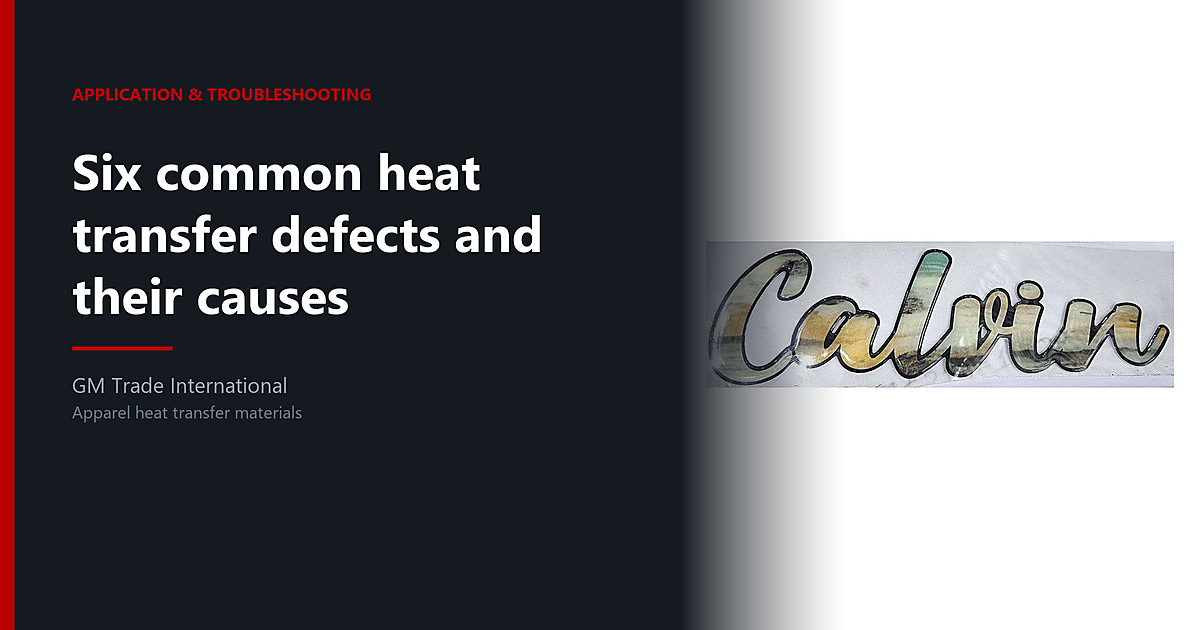
Edges lifting, cracking, press marks, dull patches, colour bleed and residue — what each symptom typically points to.
Read More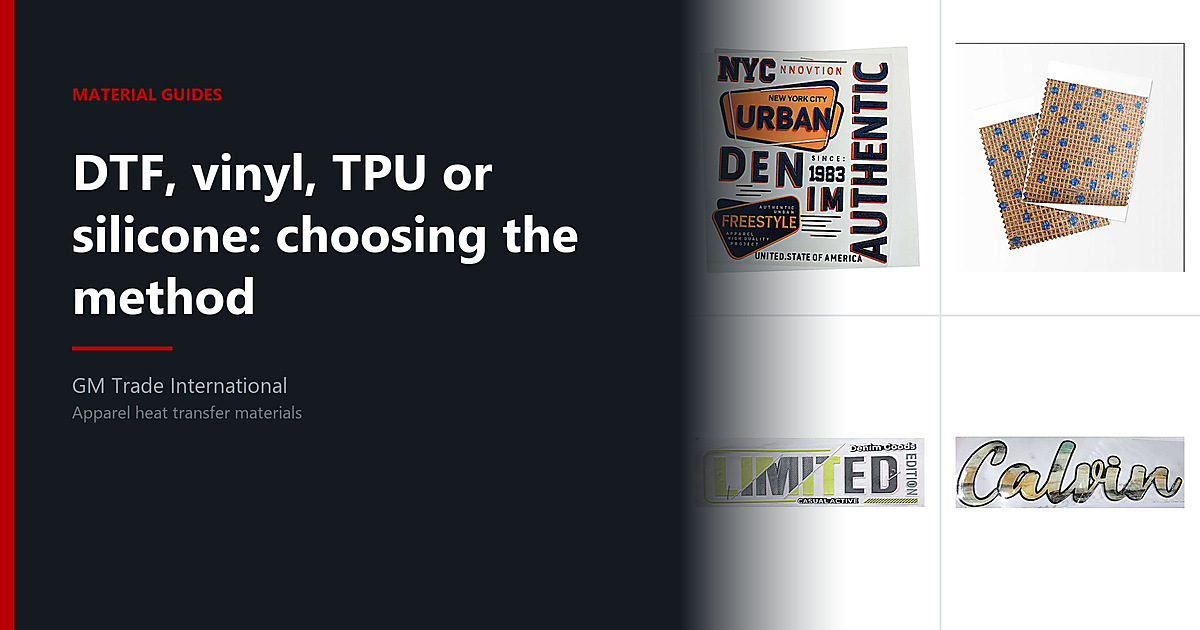
Four ways to decorate a garment, and an honest account of what each is good at, what it costs you in setup, and where each one falls down.
Read More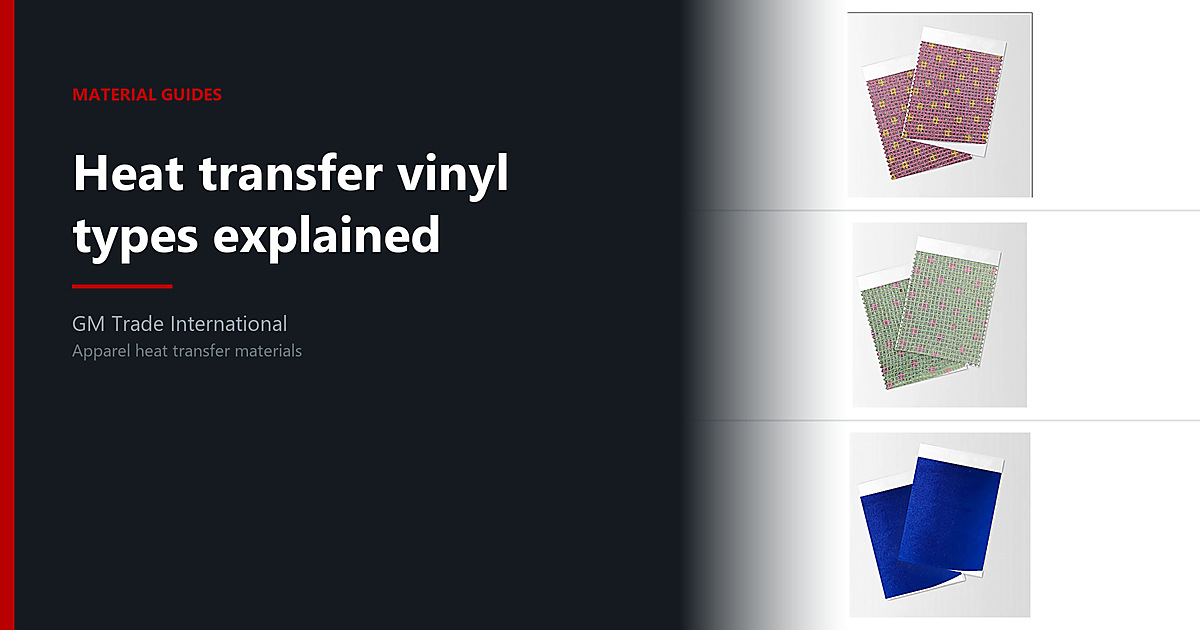
A plain-language guide to the main heat transfer vinyl finishes, what each one looks and feels like on a garment, and where each is normally used.
Read More
Heat and moisture degrade transfer materials before they ever reach the press. What that costs, and what storage practice avoids it.
Read More
A short, repeatable test procedure that catches the failures which otherwise only appear after a few hundred garments have been decorated.
Read More